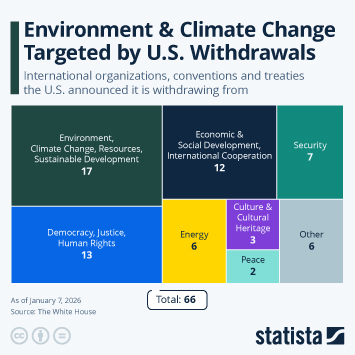
Between 2010 and 2024, two thirds of funding for malaria control and elimination was provided by international countries and donors while another third was provided by the governments of endemic countries. Data compiled by the World Health Organisation and presented in their World Malaria Report 2025 shows that the United States was the biggest donor, making up 37 percent of all funding donations. The next biggest donor countries were the United Kingdom (8 percent), France, (4 percent), Germany (3 percent) and Japan (3 percent). While not included in this release, subsequent data from 2025 will no doubt reflect U.S. funding cuts, which the WHO warns have "put millions of additional lives at risk and could reverse decades of progress”.
Global funding for malaria basic research and product development amounted to $736 million in 2024, up $25 million from 2023. This marks a second consecutive year of increases, although it remained just below the 10-year average.
In 2024, funding continued to be channeled principally into drugs R&D (39 percent), basic research (24 percent) and vaccines (19 percent). The top funders for malaria-related research and development were the United States National Institutes of Health (providing 27 percent of all funding), aggregated industry funding (25 percent) and the Gates Foundation (24 percent).
There were an estimated 282 million malaria cases across 80 malaria endemic countries (including the territory of French Guiana) in 2024, up from 273 million in 2020. The three main countries contributing to the increase in cases between 2023 and 2024 were Ethiopia (+2.9 million), Madagascar (+1.9 million) and Yemen (+378 000). An estimated 610 000 people are estimated to have died of malaria-related causes, marking an increase of 12,000 compared with one year before. Madagascar (+4900), Ethiopia (+3800) and Yemen (+932) accounted for 85 percent of the increase.